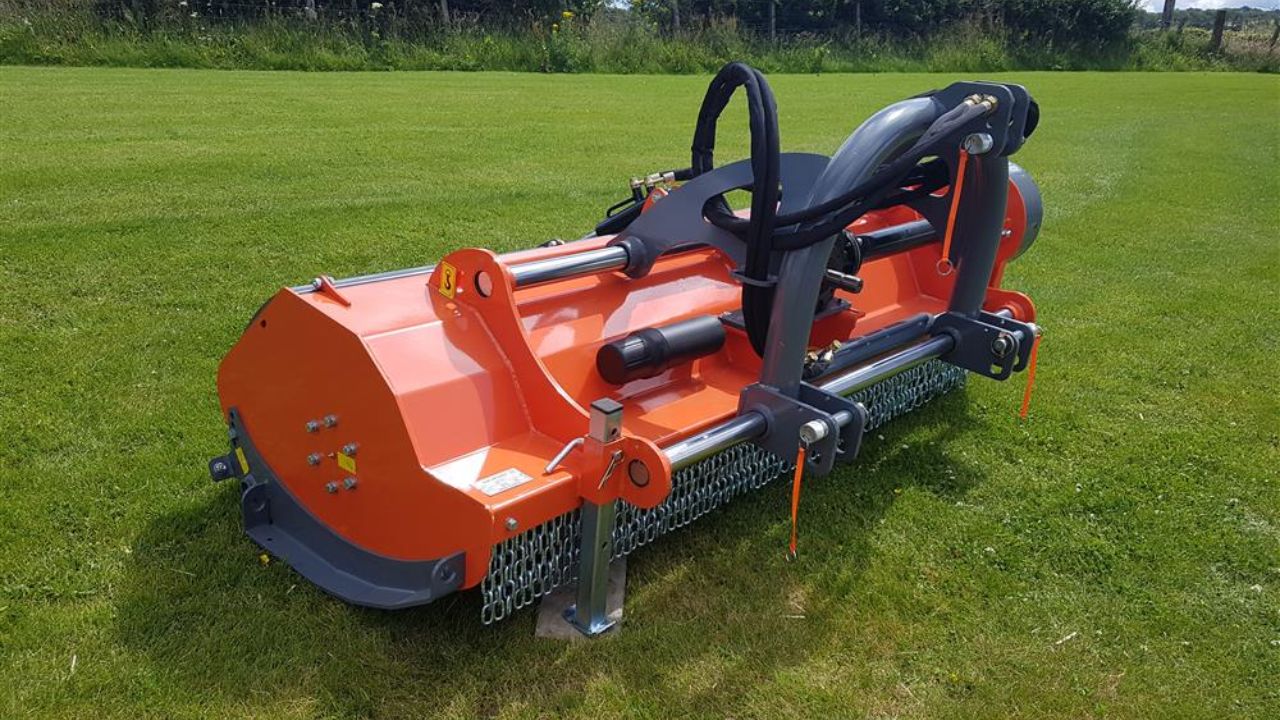
Blade design has a controlling influence on the cutting efficiency of the flail mowers in agriculture, forestry and land maintenance. Although engine power and rotor speed are significant, the success of a flail mower is still determined by the way that the blades can interact with vegetation. The cutting quality, fuel consumption and general productivity depend on the shape, weight, material and the mode of mounting the blade. The hammer blades for flail mower design knowledge can assist the operator in making the correct choice of components that will produce a consistent result under harsh conditions of work.
Blade Shape and Its Effect on Cutting Action
The form of a flail mower blade influences the manner in which vegetation is handled directly. Hammer blades are created to operate on the impact force, and therefore, they are useful in cutting thick brush, thick grass, and woody material. Their heavy and blunt outline enables them chop down difficult vegetation instead of cutting it straight. On the other hand, the light blade models are also aimed at cutting action and can be used for small grass or light maintenance. The selection of the correct blade shape allows the mower to use the most efficient mode of cutting for that particular application.
Weight Distribution and Momentum
The other design variable that is very important is blade weight, which determines the cutting efficiency. The slower rotor blades create a more powerful momentum, and therefore, can keep cutting power when met with resistance. This is the momentum that aids the mower to maintain steady operation on depressed land and higher density. Rotor balance is also provided by proper weight distribution that lowers the vibration and energy loss. Optimized blade weight leads to the mower being efficient in the available power it uses, creating better cutting performance and less fuel usage.
Material Selection and Wear Resistance
The materials of flail mower blades production dramatically influence the efficiency over time. Good alloy steels and forged metals are stronger and wear-resistant, giving the blades a longer life in their shape and cutting performance. Blades cut with low-quality material wear off fast, leaving sharp edges and cutting unevenly. The wear of the blade causes the mower to consume more energy to attain efficiency, and as a result, the cost of operation increases. Durability makes sure that there is a long cutting life of the blade.
Blade Mounting and Movement
The design of the blades also involves the way in which the blades are attached to the rotor. The blade has a design that enables it to swing in case of any obstacle, like rocks or stumps. This movement keeps the blade and the mower intact and maintains the cutting efficiency. Poor or fixed mounting systems will cause undue shock to the rotor, causing mechanical stress and underperformance. A properly designed mounting system helps in the easy operation and a predictable cut in variable conditions.
Cutting Width and Coverage Efficiency
The profile and size of flail mower blades determine cutting width and coverage. Wheel blades that are made to have maximum contact with vegetation are used to realize a uniform cutting over the working area. Efficient coverage lowers the number of passes, which is time and fuel saving. When the blade design is aligned with the working speed of the mower and the task it is to perform, the machine will be able to achieve the best throughput without compromising on the quality of the cut. This balance is mandatory where massive land management projects primarily focus on efficiency.
Impact on Machine Stability and Power Use
An effective blade design will result in the stability of the machine. Balanced blades minimize vibration and enable the rotor to rotate at smooth rotary speeds. Frictional and mechanical resistance cause power loss, which is reduced through stable operation. With a flail mower that is running evenly, the engine power is transformed into effective cutting instead of using the energy on botching. This enhanced power use increases productivity and consumes less fuel, as well as wears on the parts of the drive train.
Conclusion
Flail mower designs directly affect the cutting efficiency, productivity and the cost of operation. The shape of the blade, the weight, the quality of the materials used and the design of the mounting together come to play in order to find out the effectiveness with which the vegetation is processed. One of the ways in which operators can enhance cutting and equipment life is by choosing those blades that have been engineered to meet a given application and working conditions. When investing in well-designed flail mower blades, it is possible to provide efficient management of the land and reliable outcomes in a large variety of cutting activities.